


Control4 Smarthome Retrofit for a Better Home

A beautiful home should not require a row of apps, remotes, wall controls, and passwords to feel comfortable and secure. A Control4 smarthome retrofit brings the technology you already use into one personalized system, then adds the infrastructure and intelligence needed to make it work together reliably. The result is not a house filled with gadgets. It is a home that responds naturally to the way you live.
For homeowners in South Florida and Colorado, retrofitting is often the right path. You can improve lighting, climate, entertainment, security, networking, and outdoor spaces without rebuilding the home around the technology. The key is thoughtful design: understanding what is already in place, where wiring can add value, and which upgrades will make the greatest daily difference.
What a Control4 Smarthome Retrofit Can Change
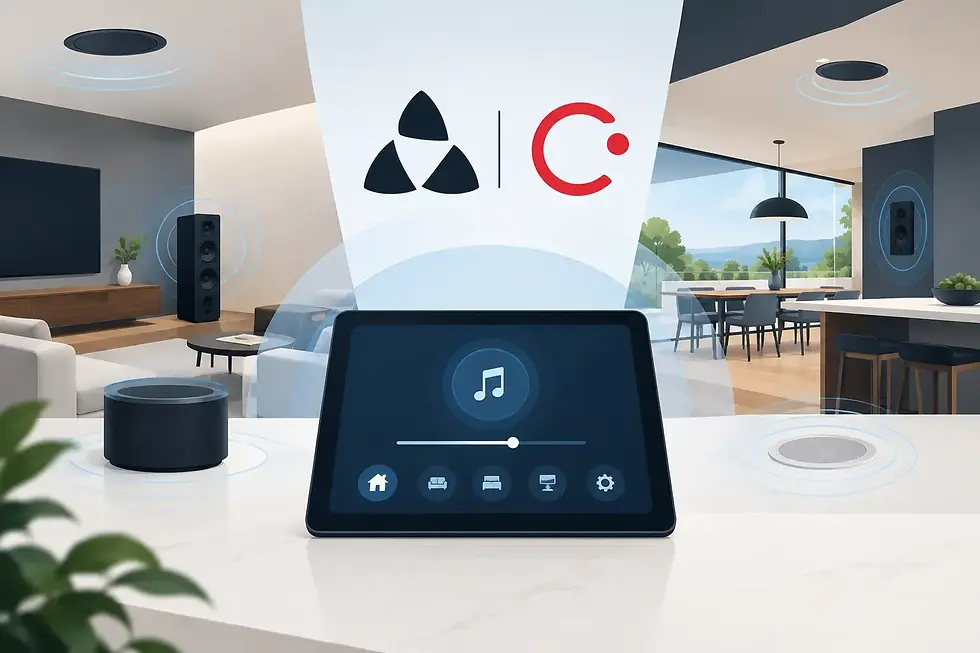
A retrofit replaces disconnected control with a single, intuitive experience. Instead of opening one app for cameras, another for music, and a third for thermostats, Control4 brings compatible devices and systems into a unified interface. You can use elegant keypads, touchscreens, handheld remotes, voice control, or your phone, while the system handles the coordination behind the scenes.
That coordination is where a professionally designed system earns its place. Pressing “Goodnight” can turn off selected lights, lower shades, lock doors, arm the security system, adjust the temperature, and confirm that the garage is closed. An “Entertain” scene can set the lighting, start music in the main living spaces, and prepare the patio without asking guests to wait while you manage several remotes.
A retrofit does not have to be all or nothing. Some homeowners begin with lighting and whole-home audio, then add surveillance, motorized shades, theater control, or climate automation as their needs change. Control4 is designed to scale, so the system can grow without forcing you to start over with a different platform.
Start With the Home You Have
Every existing home has different opportunities and constraints. A newer property may have structured wiring and well-placed network runs but lack the programming that makes its systems feel connected. A historic home may call for discreet wireless lighting controls and carefully planned equipment locations. A large estate may need stronger Wi-Fi coverage and a more deliberate approach to outdoor zones, guest spaces, and gate access.
A professional site assessment identifies the details that shape the project: available wiring pathways, electrical capacity, Wi-Fi performance, existing AV equipment, shade treatment options, camera locations, and the rooms where the family spends the most time. It also reveals where a previous DIY installation may be creating problems. Smart devices are only as dependable as the network and integration supporting them.
This is why the first question should not be, “Which device should we buy?” It should be, “How should the home work?” A family with school-age children may prioritize arrival notifications, door locks, lighting paths, and parental controls. A frequent traveler may care most about remote access, water alerts, camera views, and vacation lighting schedules. An avid host may put whole-home audio, outdoor entertainment, and easy scene control first.
Wired, Wireless, or Both?
A common concern is that a retrofit will require opening every wall. In reality, many Control4 upgrades combine existing wiring, new low-voltage runs where they matter most, and wireless devices where they make sense. Wireless lighting control can be especially valuable in finished spaces, while hardwired network access points, cameras, entertainment components, and select keypads may provide the most dependable long-term performance.
The right answer depends on the home and the desired experience. Wireless is not a shortcut when it is professionally specified and installed. At the same time, a well-placed cable is often the better investment for high-bandwidth video, outdoor access points, and permanent equipment locations. A thoughtful retrofit uses both approaches with purpose.
Prioritize the Systems You Use Every Day
Lighting is often the most transformative place to begin. Control4 lighting control replaces visual clutter with refined keypads and personalized scenes. One button can create the right light for cooking, reading, entertaining, or winding down. Timed and occupancy-based automation can also make the home feel attended to without constantly reaching for a switch.
Climate control is another high-value upgrade, particularly in homes with multiple zones, seasonal residences, or rooms that never seem to stay comfortable. Integrating compatible thermostats allows temperature settings to respond to schedules, occupancy, window shades, and away modes. The goal is comfort with fewer adjustments, not unnecessary complexity.
Entertainment is where fragmented technology is often most noticeable. A Control4 remote can simplify a media room or home theater by bringing television, streaming, audio components, lighting, and shades under one familiar control. Multi-room audio extends that experience throughout the house, allowing different music in different areas or one playlist across the kitchen, living room, patio, and pool area.
Security and surveillance benefit from being part of the same system. When a camera detects activity, lights can turn on. When a door unlocks, you can receive an alert. From away, you can check cameras, manage access, and verify the status of the home from one interface. Integration does not replace proper security planning, but it makes the information easier to act on.
The Network Is the Foundation
A smart home can look impressive on installation day and still become frustrating if its network is unreliable. Video calls, streaming services, cameras, gaming systems, mobile devices, and smart-home equipment all compete for connectivity. Larger homes, concrete construction, metal features, and outdoor living areas can make coverage even more challenging.
A professional retrofit should include a review of the network, not treat it as an afterthought. That may mean enterprise-grade Wi-Fi, strategically placed access points, managed switches, dedicated equipment storage, battery backup, and remote monitoring. A strong network protects the experience of every connected system, including devices that homeowners may add years from now.
This planning also supports privacy and device management. Rather than leaving critical systems on a patchwork of consumer accounts and aging Wi-Fi hardware, an integrated platform gives the household clearer control of permissions, remote access, and system updates. Professional programming and support are especially valuable when multiple family members, guests, or property staff use the home differently.
Design Matters as Much as Technology
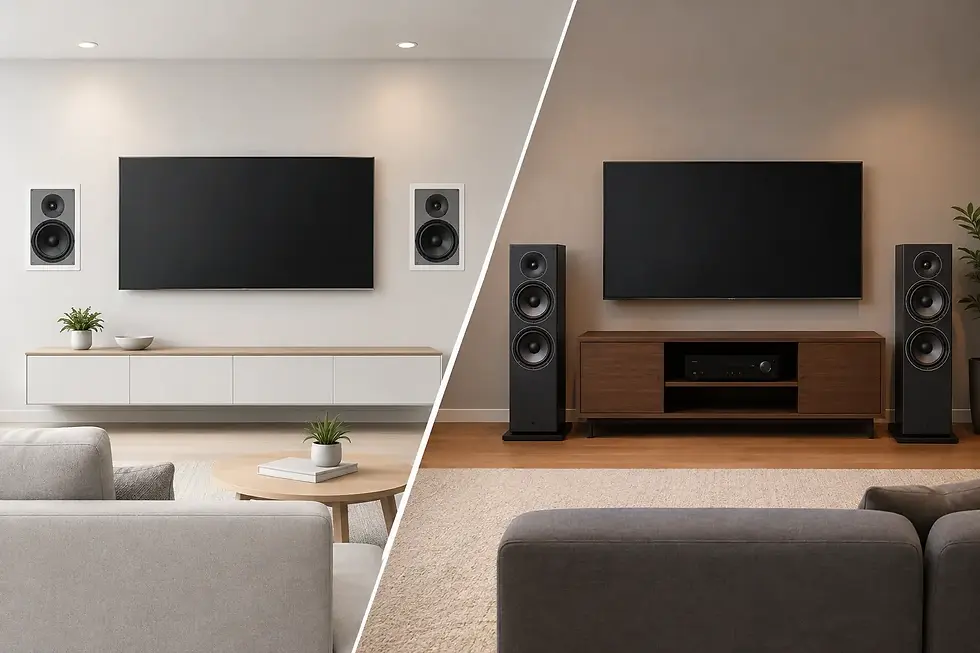
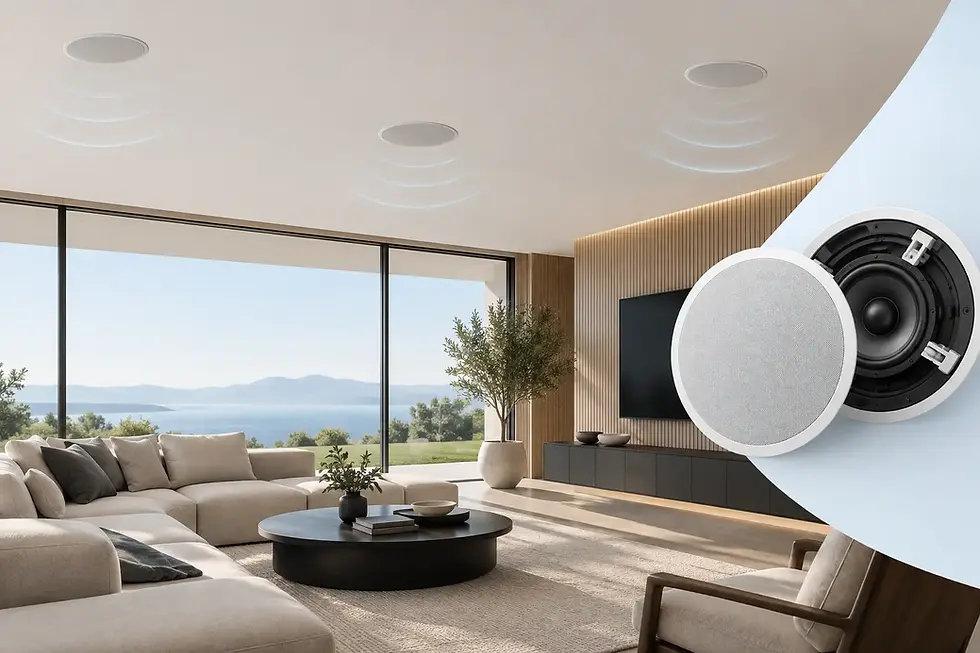
The best retrofit respects the architecture and interiors of the home. Keypads should feel intentional, not added as an afterthought. Speakers can be placed for even sound without competing with the room’s design. Touchscreens, televisions, cameras, and equipment racks should be selected and located with both performance and visual balance in mind.
This is particularly important in luxury homes where finishes, millwork, artwork, and sightlines deserve careful protection. A skilled integrator coordinates with designers, electricians, builders, and other trades so the technology supports the home rather than announcing itself in every room.
At SmartHome-Techs, that process begins with lifestyle and property goals, then translates them into a phased, supportable system plan. The focus is not simply connecting products. It is creating reliable control that remains useful as the home, family, and technology evolve.
Plan for the Future Without Overbuilding Today
Future-ready does not mean purchasing every available feature on day one. It means making smart provisions now. During a renovation, adding conduit, network cabling, speaker wire, or properly located power can preserve options for later. In a finished home, selecting a scalable control platform and a properly sized network creates the same flexibility with less disruption.
It also helps to distinguish between features that are exciting and features that will be used daily. A dedicated theater may be essential for one household and unnecessary for another. Motorized shades may be most valuable in rooms with intense sun exposure, tall windows, or privacy concerns. Outdoor audio may deserve priority in a home built around the patio and pool.
A well-designed Control4 retrofit gives you a clear starting point and room to add more when it makes sense. The most successful systems are personal: the lights come on the way you prefer, the home is easier to check when you are away, and entertainment works without a lesson for every guest. That is the standard worth planning for.
Comments