


Control4 Restaurant Automation Control System

The dining room is full, the patio is cooling off after sunset, and a manager is still walking from wall switches to music controls to thermostat panels. That is precisely the operational friction a contorl4 restaurant automation control system is designed to remove. With one professionally configured interface, a restaurant can set the mood, protect the property, and keep essential systems aligned without adding another complicated task to the shift.
For restaurant owners and operators, automation is not about filling the space with technology. It is about creating a consistent guest experience while giving staff straightforward control when the pace changes. Control4 brings lighting, climate, audio, video, surveillance, and selected third-party systems into a single intelligent platform built around the way your restaurant actually runs.
What a Control4 Restaurant Automation Control System Does
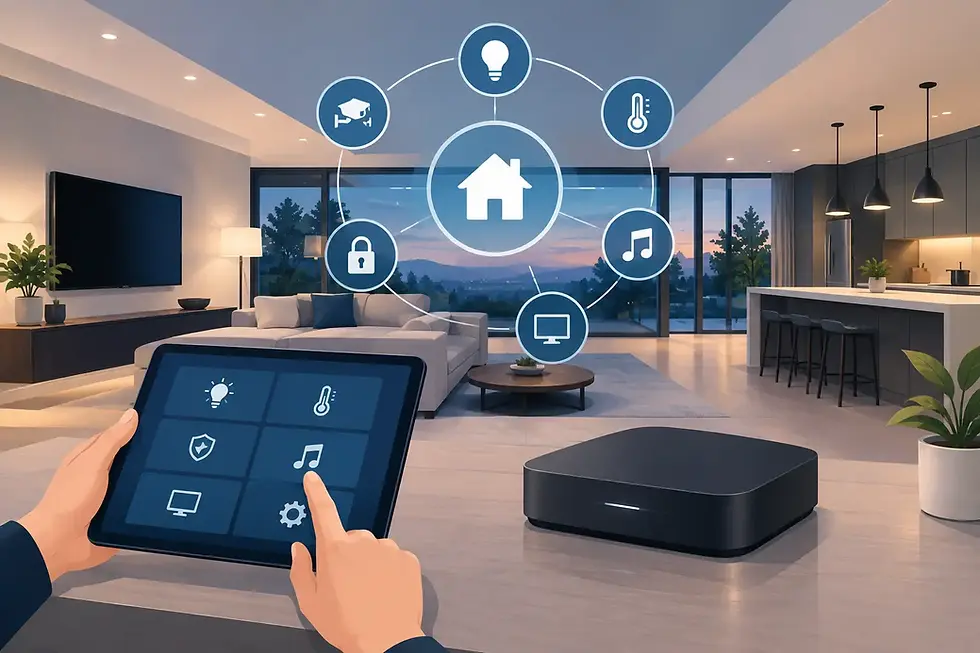
A Control4 restaurant automation control system centralizes everyday building functions that are often managed separately. Instead of relying on disconnected remotes, apps, dimmers, and equipment interfaces, authorized staff can use a touchscreen, keypad, mobile device, or customized wall control to manage the environment.
At opening, one command can bring on the proper lights, adjust the temperature, start approved background music, power up displays, and disarm designated areas. At closing, another command can turn off nonessential equipment, lower shades where applicable, activate security settings, and notify management if a door remains open. The experience is simple for staff because the complexity is handled in the design and programming phase.
That distinction matters. A restaurant does not need a generic smart building package. It needs control logic that accounts for lunch service, dinner service, private events, outdoor seating, cleaning crews, deliveries, and after-hours security.
Build the Atmosphere, Not Just the Schedule
Guests notice environment before they describe it. They may not identify the lighting temperature or speaker zoning, but they recognize when a room feels too bright, too dark, too warm, or strangely quiet. Automation helps restaurants deliver the intended atmosphere consistently from one shift to the next.
Lighting that follows the service experience
Lighting can be programmed around the rhythm of the day. A fast-casual restaurant may want bright, energetic lighting for lunch and a warmer feel in the evening. A fine-dining space may need a gradual transition as daylight fades, while a bar may use a more dramatic scene once live entertainment begins.
With Control4, those changes can occur on schedule, based on a single button press, or through a manager-approved scene. Separate zones allow the dining room, bar, patio, restrooms, entry, kitchen-adjacent areas, and exterior signage to be controlled independently. This supports better presentation and reduces the likelihood that a staff member adjusts the wrong circuit during a busy service.
Climate control that respects different zones
Restaurants are difficult spaces to heat and cool evenly. The kitchen generates heat, exterior doors open constantly, patios have different needs, and a packed dining room can change the temperature quickly. Centralized climate control gives managers visibility across zones and the ability to apply sensible schedules.
Automation does not replace the need for properly designed HVAC equipment. It does, however, make that equipment easier to operate with intent. Temperature settings can be adjusted remotely, setback schedules can reduce unnecessary runtime during closed hours, and alerts can help management respond when a space falls outside its preferred range.
Audio and video without the remote-control clutter
Background music should support the room, not compete with it. A Control4 system can distribute audio across defined zones, allowing different volume levels in the bar, dining room, patio, waiting area, and restrooms. During a private event, one area can receive a dedicated source without disrupting the rest of the operation.
Video control is equally useful for sports bars, lounges, and restaurants with multiple displays. Staff can select a source, turn displays on or off, and apply approved configurations without searching for the correct remote. The right setup keeps televisions, sound, and room lighting working together rather than creating a collection of isolated systems.
Better Control During the Moments That Matter
The value of restaurant automation becomes most obvious during exceptions. A normal Tuesday night is easy to manage. A packed holiday service, a sudden storm, a VIP event, or a late-night security concern is where centralized control earns its place.
A patio scene can bring on exterior lighting and adjust music as evening arrives. An event scene can set the preferred light levels, displays, and audio source for a reserved room. A closing scene can verify that selected areas are secured and that energy-consuming devices are not left operating unnecessarily.
Remote access also gives owners and designated managers a meaningful advantage. If someone calls to report that music is too loud, exterior lights did not activate, or a thermostat needs adjustment, the system can often be reviewed and controlled without a trip to the property. Permissions can be tailored so that managers have appropriate access while staff controls remain simple and limited to their roles.
Security and Visibility After Service
Restaurants manage more than guest comfort. They also manage deliveries, employee access, liquor storage, cash-handling procedures, and a property that may be vacant for long stretches. Integrating surveillance and security functions with the broader control system makes those responsibilities easier to oversee.
A Control4 interface can provide access to compatible camera feeds alongside lighting and other connected systems. Managers can check an entry, loading area, dining room, or exterior perimeter from one location. When a security event occurs, programming can trigger practical responses such as turning on designated lights, sending an alert, or displaying a relevant camera feed on an authorized device.
The appropriate level of integration depends on the restaurant's security requirements and the equipment already in place. A small café may prioritize door notifications and exterior cameras, while a multi-zone venue may need more comprehensive surveillance, access control coordination, and remote management. The best design starts with operational realities, not a preset equipment list.
Where Automation Creates Operational Savings
Restaurant technology should not add labor or require a manual every time an employee needs to dim a light. Well-designed automation reduces repeated tasks, limits avoidable energy use, and helps preserve consistency across shifts.
Consider the daily opening and closing routine. When lighting, climate, music, video, and security each require a separate procedure, small mistakes become common. Lights remain on after closing. A display runs overnight. A thermostat is left at a peak-service setting. Music continues in an empty zone. Automation creates a repeatable workflow that is easier to train and easier to audit.
Energy savings vary by building, equipment, operating hours, and local utility costs, so they should not be treated as guaranteed. Still, scheduling lighting, managing temperature setpoints, and eliminating unnecessary runtime can reduce waste over time. Just as valuable, staff can spend less time troubleshooting controls and more time focused on guests.
Professional Design Makes the Difference
Control4 is highly flexible, which is an advantage only when the system is planned thoughtfully. A restaurant automation project should begin with a walkthrough of guest areas, back-of-house spaces, equipment locations, network conditions, and the team's daily routines. The integrator should ask what happens at opening, during service, at close, and when something goes wrong.
The network deserves particular attention. Audio distribution, video, cameras, touchscreens, mobile access, and connected devices all depend on reliable connectivity. A professionally designed network helps prevent the frustrating dropouts and delays that can undermine otherwise excellent equipment.
It is also wise to build for change. Restaurants update layouts, refresh concepts, add patios, introduce private-event spaces, and replace audio or video components. A scalable Control4 platform can adapt as the operation evolves, especially when wiring, rack space, network capacity, and system programming have been considered from the beginning.
SmartHome-Techs designs Control4 solutions around the specific needs of restaurants, bars, retail spaces, and other commercial environments in South Florida and Colorado. The goal is not to make every system look alike. It is to give each team dependable, intuitive control that supports its service model and brand experience.
Choosing the Right Scope for Your Restaurant
Not every restaurant needs full automation on day one. A focused project may begin with lighting, music, and climate control in the main dining room. Another venue may need multi-zone audio, sports display management, cameras, and remote oversight from the start. The right scope depends on the size of the property, number of service areas, staff workflow, existing infrastructure, and operational priorities.
The most effective approach is to identify the moments that repeatedly create friction. If closing takes too long, start there. If the patio atmosphere is inconsistent, prioritize lighting and audio zones. If managers are constantly called back to the property for basic adjustments, remote access and clear permissions may deliver the fastest return.
A restaurant should feel intentional from the first guest arrival to the final lock at night. When the technology behind that experience is personalized, intelligently programmed, and easy for staff to use, the room can stay focused on what guests came for: great service, great food, and a setting worth returning to.


Comments