


How to Choose a Control4 Installer Near Me

A beautiful home can still feel unnecessarily complicated when lighting, shades, music, cameras, climate, and streaming devices each live in a different app. Searching for a Control4 installer near me is often the point where homeowners decide they want technology to work as one considered system, not a collection of gadgets.
The right professional does more than mount screens or connect equipment. They learn how you live, design the infrastructure behind the walls and in the equipment rack, program the details that make control feel natural, and remain available when your needs change. For a high-value property, that level of planning is as important as the products themselves.
What a Control4 Installer Near Me Should Handle
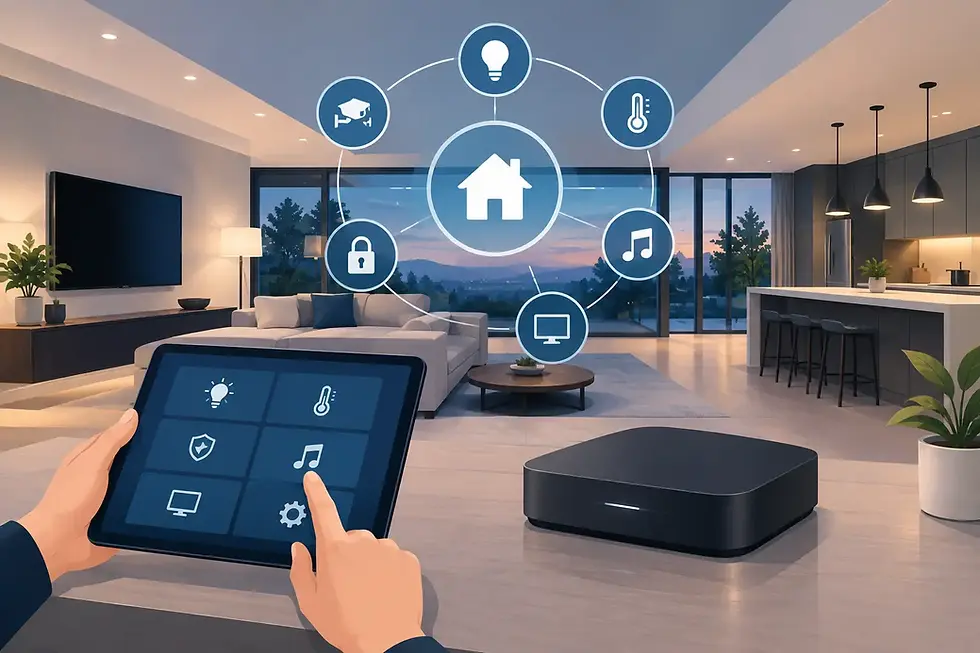
Control4 is designed to bring major home systems into one interface. From a touchscreen, keypad, remote, mobile device, or voice command, you can manage lighting, climate, entertainment, security, cameras, locks, gates, and more. But the experience depends on thoughtful design and precise programming.
A qualified integrator begins with the property itself. A condominium in Miami has different networking constraints and building requirements than a new construction home in Castle Rock. A waterfront estate in Boca Raton may need carefully planned outdoor Wi-Fi coverage, surveillance placement, and equipment protection. A family home in Highlands Ranch may prioritize easy bedtime scenes, theater performance, and reliable coverage across multiple floors.
The installer should ask practical questions before recommending equipment: Which rooms are used every day? Where do you entertain? Who needs access to security controls? Do you prefer wall keypads, handheld remotes, touchscreens, or a combination? Are there architectural details, finish selections, or furniture plans that affect speaker, shade, display, and keypad placement?
This discovery process turns technology into a personalized environment. A "Good Morning" scene might raise select shades, set the kitchen lights, adjust the temperature, and begin a favorite playlist. An "Away" scene can turn off selected lighting, lower shades, arm security integrations, and notify you if a door or gate is left open. The goal is not more control for its own sake. It is less friction throughout the day.
Professional Design Starts With the Network
Many smart-home frustrations are actually network problems. Cameras that drop offline, music that stutters, delayed commands, and unreliable mobile control often trace back to Wi-Fi coverage, bandwidth planning, switch configuration, or equipment that was never designed to support a connected home.
A professional Control4 installation should treat the network as essential infrastructure. That includes evaluating internet service, placing wired access points where appropriate, segmenting devices for security and performance, and organizing equipment for serviceability. In larger homes, a properly planned wired backbone is usually more dependable than relying on consumer mesh Wi-Fi alone.
This matters even more when the system includes high-resolution surveillance, multi-room audio, multiple streaming zones, remote access, and a dedicated theater. Each component may work independently, but the network must support all of them at the same time.
There is a trade-off to consider. A smaller project may not require extensive wiring or a full equipment rack, while a larger residence benefits greatly from both. An experienced installer will explain what is necessary for your property rather than applying the same package to every home.
Look for Design-Aware System Planning
Premium technology should complement the architecture instead of competing with it. The best installations consider what is visible, what is hidden, and what will remain accessible after the project is complete.
That may mean selecting keypad colors and finishes that coordinate with the interior design, locating in-wall and in-ceiling speakers for balanced sound without visual clutter, concealing televisions where appropriate, and placing cameras to protect key approaches without making the home feel institutional. It also means coordinating early with builders, electricians, architects, designers, and landscape professionals.
For new construction, early involvement gives your integrator the opportunity to plan low-voltage wiring, dedicated power, conduit for future expansion, equipment locations, and outdoor technology before drywall and finishes are installed. Retrofitting an existing home is entirely possible, but it requires a different strategy. Wireless controls, carefully chosen pathways, and minimally invasive installation methods can deliver meaningful upgrades while respecting completed spaces.
A trustworthy professional will be candid about what each approach can achieve. Not every retrofit can replicate the wiring flexibility of a new build, and not every room needs the same level of automation.
Programming Is Where the System Becomes Yours
Installing Control4 hardware is only part of the work. Programming determines whether the experience feels intuitive on day one and continues to feel useful after the novelty has worn off.
Good programming simplifies common actions. Instead of selecting the television input, turning on the receiver, choosing an audio zone, dimming lights, and lowering shades separately, a single Entertainment scene can set the room for a movie or a game. Exterior lighting can follow a schedule while still allowing easy manual adjustments. Climate can respond to occupancy patterns, time of day, or vacation status when the system is designed for those routines.
Personalization should also account for different users. A guest may need a simple remote and clear room controls. A homeowner may want mobile access to cameras, gates, and alerts while traveling. Parents may want specific access permissions and time-based rules. Business owners may need staff-friendly controls for opening, closing, music, lighting, temperature, and surveillance.
Ask how the integrator documents scenes, device names, user access, and support procedures. Clear organization makes future changes much easier, especially in homes with multiple entertainment zones and complex security integrations.
Evaluate Support Before the Installation Begins
Technology changes. Your household changes too. You may add a patio audio zone, renovate a room, replace a television, bring home an electric vehicle, or want more detailed camera coverage. A Control4 system should be scalable, but expansion is easier when the original design was organized with growth in mind.
Before choosing an installer, ask how support works after commissioning. Will they provide homeowner training? Can they diagnose eligible issues remotely? Do they offer service plans or ongoing maintenance? How are updates, equipment replacements, and programming changes handled?
Local support also has real value. An integrator familiar with South Florida understands the demands of outdoor environments, hurricane preparation considerations, condominium access rules, and broad properties that need dependable coverage. In Colorado, changing weather, multi-level homes, mountain-area construction details, and extensive outdoor living spaces may shape the design differently.
SmartHome-Techs serves homeowners and commercial clients across South Florida and Colorado with Control4 design, installation, programming, and continued service. Whether the project is in West Palm Beach, Parkland, Lone Tree, Cherry Hills, Denver, Littleton, or another nearby community, local project coordination helps keep technology decisions aligned with the space and the people using it.
Questions Worth Asking During a Consultation
You do not need to become an automation expert before meeting with an integrator. You do need enough clarity to compare proposals beyond the equipment list.
Ask whether the proposed system is designed around your routines or around a prebuilt package. Ask which components are wired, which are wireless, and why. Ask how the network will be tested, how the system will be labeled and documented, and what support looks like after the final walkthrough. If you are building or remodeling, ask when low-voltage planning needs to happen and which trades should be involved.
For entertainment projects, ask for a demonstration of how the remote, lighting, audio, and video controls will work in a typical room. For security-focused projects, discuss camera retention, remote access, notifications, privacy, and user permissions. For commercial spaces, clarify who can change schedules, music, temperature, and operating modes.
A strong proposal explains the outcomes as clearly as the components. You should understand not only what is being installed, but how it will improve daily living or business operations.
The Best Local Choice Is Not Always the Lowest Bid
A lower quote can be appealing, particularly when two proposals appear to include similar equipment. Yet the hidden differences often involve design time, wire management, network quality, programming depth, commissioning, training, and post-installation support. Those are the details that determine whether a smart home feels polished and dependable six months later.
Price should be considered alongside scope, expertise, local responsiveness, and the installer’s ability to support the system long term. A well-designed Control4 environment can evolve with new rooms, new devices, and new routines without forcing you back into disconnected apps.
The right installer will make sophisticated technology feel calm, clear, and genuinely personal. Start with the rooms and moments you want to improve, then choose a partner who can turn those expectations into a system that continues to fit your life.


Comments